

24 inch mirror for bathroom
Replacing the Main Water Valve A Comprehensive Guide The main water valve is a crucial component in any plumbing system. It controls the flow of water into your home. Over time, this valve may develop leaks, become corroded, or fail to operate properly, leading to water supply issues. Replacing a faulty main water valve is essential to ensure a steady flow of water and prevent potential damage to your plumbing system. Here is a comprehensive guide on how to replace the main water valve effectively. Understanding the Main Water Valve Before diving into the replacement process, it's important to understand what the main water valve is and where it is located. The main water valve is usually found near the point where the water line enters your home, often in the basement, crawl space, or outside by the foundation. It is typically a quarter-turn valve that allows you to shut off the water supply to your entire home. Signs Your Valve Needs Replacing 1. Leaks If you notice water pooling around the valve, or if water drips continuously, it’s a sure sign that the valve may need to be replaced. 2. Corrosion Visible rust or corrosion on the valve body may indicate that it’s deteriorating and could fail soon. 3. Difficulty Turning the Valve If the valve is difficult to operate or does not fully shut off the water supply, replacement is likely necessary. 4. Age If your home was built many years ago and still has the original valve, consider replacing it as a preventative measure. Tools and Materials Needed Before starting the replacement, gather the following tools and materials - Pipe wrench or adjustable pliers - Screwdriver - Replacement main water valve - Teflon tape (plumber’s tape) - Towels or rags (to clean up any spills) - Bucket (to catch excess water) Step-by-Step Replacement Process replacing main water valve 1. Turn Off the Water Supply Locate the main water supply line leading to your home and turn off the water supply. This step is critical to prevent a mess and potential flooding. 2. Drain the Lines Open faucets throughout your home to drain any remaining water from the pipes. This will relieve pressure and minimize water spillage during the replacement. 3. Remove the Old Valve Using a pipe wrench, carefully loosen and unscrew the flanged connections of the existing valve. Be cautious as some remaining water may still leak out. Use towels or a bucket to catch any spills. 4. Prepare the New Valve Before installing the new valve, wrap the threads of the valve with Teflon tape to ensure a watertight seal. 5. Install the New Valve Position the new valve in place and secure it by tightening the connections with your pipe wrench. Ensure it is aligned correctly and the valve can easily be operated. 6. Turn On the Water Supply Once the new valve is installed, gradually turn the water supply back on. Check for any leaks around the new valve connections and tighten them if necessary. 7. Test the Valve Turn the valve to ensure it opens and closes smoothly. Test the water flow in your home to confirm that it operates correctly. Conclusion Replacing your main water valve may seem daunting, but with the right tools and a little bit of time, it can be accomplished successfully. Regular maintenance and timely replacement of plumbing components like the main water valve can save you from more significant issues in the future, ensuring your home remains a safe and comfortable place. If you are uncomfortable performing this task or run into complications, do not hesitate to contact a professional plumber for assistance.
about
24 inch mirror for bathroom
Leveling up in life is a continuous journey of personal growth and development. It is about taking small steps each day to improve ourselves, learn new things, and become the best version of ourselves. Whether it be in our professional lives, relationships, or personal well-being, leveling up requires dedication, perseverance, and a willingness to step out of our comfort zones. In our careers, leveling up may look like taking on new challenges, seeking out opportunities for growth and advancement, and constantly expanding our skills and knowledge. It may involve pursuing further education or training, taking on leadership roles, or seeking out mentorship and guidance from more experienced individuals in our field. In our relationships, leveling up means being open and communicative, showing empathy and understanding, and continuously working on building trust and connection with the people we care about. It may involve setting boundaries, improving our communication skills, or being open to feedback and constructive criticism in order to grow and strengthen our relationships. On a personal level, leveling up requires taking care of our physical, mental, and emotional well-being . It may involve adopting healthy habits, such as regular exercise, a balanced diet, and proper self-care routines. It may also involve working on our mindset, practicing self-reflection and self-awareness, and seeking out opportunities for personal growth and development level . Leveling up in life is not always easy. It requires dedication, hard work, and a willingness to push ourselves out of our comfort zones. It may involve facing obstacles, setbacks, and challenges along the way. But these experiences can also be opportunities for growth and learning, helping us to develop resilience, determination, and a sense of inner strength. As we level up in different areas of our lives, we may find that our priorities, goals, and values evolve and change. What once seemed important to us may no longer hold the same significance, and new opportunities and possibilities may present themselves as we continue to grow and develop. Ultimately, leveling up in life is about striving for continual improvement, growth, and self-discovery. It is about embracing change, stepping outside of our comfort zones, and pushing ourselves to reach our full potential. By committing to this journey of personal growth and development, we can create a more fulfilling, meaningful, and purposeful life for ourselves and those around us.
-

High quality industrial productsagement

High quality industrial products
View Details -

Meet the diverse needs of customers

Meet the diverse needs of customers
View Details -

Strict quality control

Strict quality control
View Details -

Top raw materials

Top raw materials
View Details -

Trusted supplier

Trusted supplier
View Details
Our application


news and information
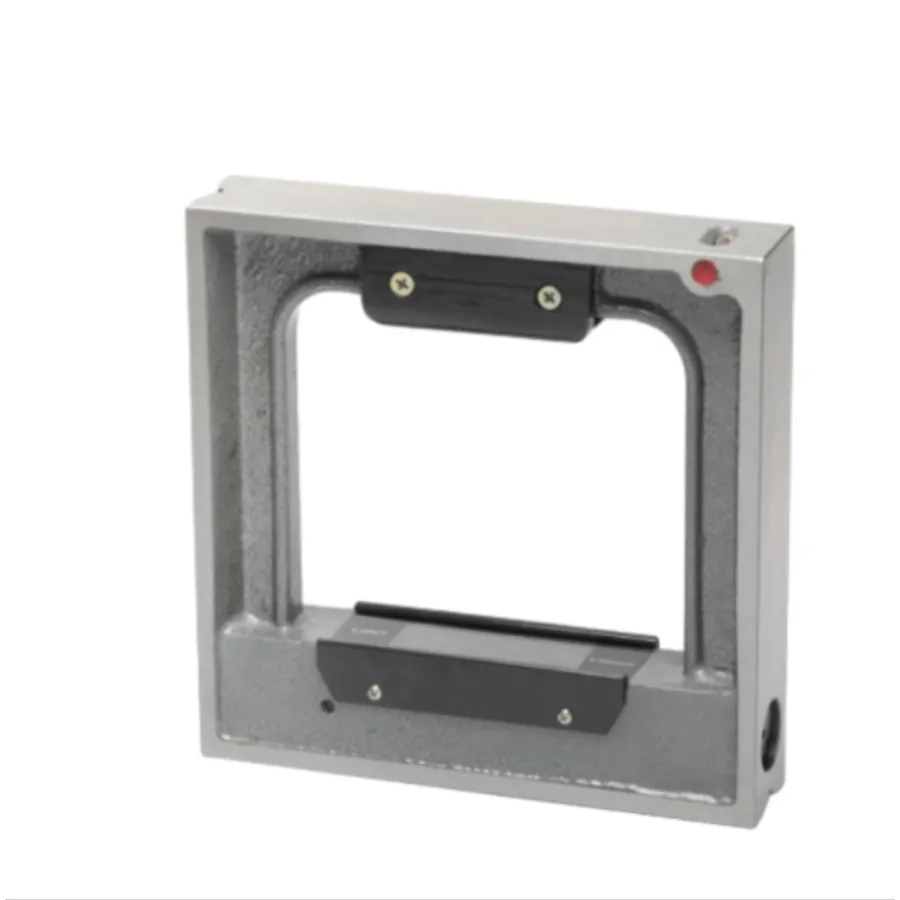
Välineet tarkkuusmittaamiseen syvyysmittari 18-35 mm halkaisijalle
Dial bore gauge on yksi tärkeimmistä työkaluista tarkkuusmittauksessa teollisuudessa, erityisesti ku
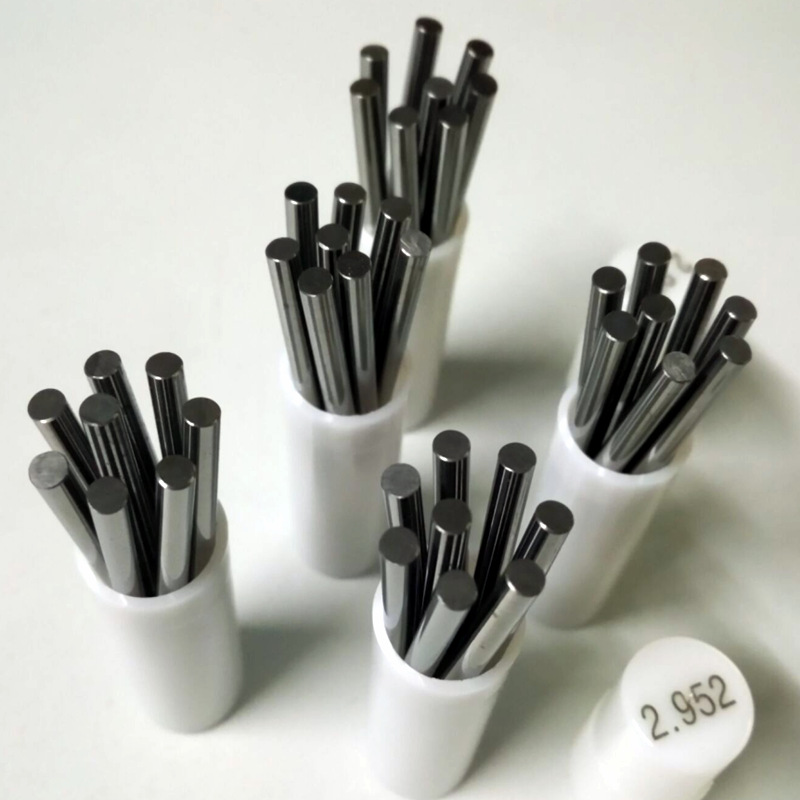
v block & clamp
The Importance of V-Block and Clamp in Precision Workholding In various machining and manufacturing

Y Strainer Flange Type - Enhance Your Pipeline Efficiency
The Importance of Y Strainer Flange Type in Fluid Management In the world of fluid management, ensur
 English